Lesson Twenty-Four
Dialogue twenty-four: Sickness
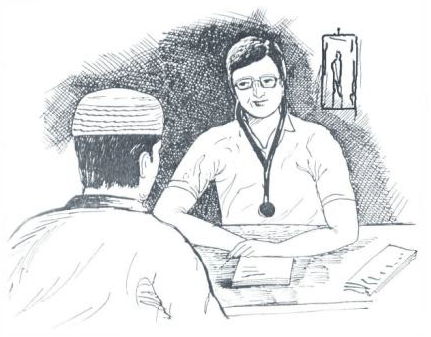
H: zu naajóRa yim, zmaa zUkáam day, túba me hum da, aw săr me hum khoogégee. I'm sick, I have a cold, I also have a fever and my head hurts. | زۀ ناجوړه يم، زما زُکام دے، تبه مې هم ده، او سر مې هم خوږېږى. |
L: DakTúr la laaR sha! Go to the doctor! | ډاکټر له لاړ شه! |
H: na, dawaayee khorum. No, I'm taking medicine. | نه، دوائی خورم. |
L: du zUkáam sara tsu parhez kawul pukaar dee? What restrictions are needed for a cold? | د زُکام سره څۀ پرهېز کول پکار دی؟ |
H: du ghwaRo, du yúkho aw traawó tseezóono na ba zaan saate. You should keep away from oil, 'cold' and sour things. | د غوړو، د يخو او تراوو څيزُونو نه به ځان ساتې. |
L: tu hamayshá naajóRa kege? Are you always getting sick? | تۀ هميشه ناجوړه کېږې؟ |
H: na, kala naa kala No, now and then. | نه، کله نا کله. |
L: pu taa baande chăre tsu drana beemaaree tera shiwe da? Have you ever had any serious disease? | په تا باندې چرې څۀ درنه بيمارى تېره شوې ده؟ |
H: aw, yo zul me mee`aadee túba tera kúRe da. Yes, one time I have had typhoid. | آو، يو ځل مې ميعادى تبه تېره کړې ده. |
L: tu zaan du beemaaro na tsínga buch kawe? How can you keep yourself from sickness? | تۀ ځان د بيمارو نه څنګه بچ کوې؟ |
NOTE:
👆 Explore the concept of “hot” and “cold” foods with your friends.
Pronunciation drill
'to have done’: The present perfect tense
The present perfect tense is used for talking about events that happened in the past, and have consequences in the present. It is formed from the past participle and the presnt equative “to be” verb.
The past participle consists of the infinitive form of the verb plus an inflectable ـے - -ay suffix. This suffix is inflected in the same way as it is with adjectives ending in an unstressed ـے - -ay.
- Masc. Sing. ـے - -ay
- Fem. Sing. ـې - -e
- Masc. Plur. ـی - -ee
- Fem. Plur. ـې - -e
The present perfect of the verb رسېدل - rasedúl (to arrive)
past participle | + | equative | = | present perfect | ||
infinitive | + | suffix | ||||
rasedúl رسېدل | + | -ay ـے | + | yim یم | = | rasedúlay yim I (male) have arrived رسېدلے یم |
NOTES:
- The suffixes are declined according to the gender and number of the subject.
- The verb رسېدل - rasedúl provides an example of a regular intransitive verb being conjugated in the present perfect tense.
| Person | Singular | Plural |
|---|---|---|
1st m. | rasedúlay yim I have arrived رسېدلے یم | rasedúlee yoo We have arrived رسېدلی یو |
1st f. | rasedúle yim I have arrived رسېدلې یم | rasedúle yoo We have arrived رسېدلې یو |
2nd m. | rasedúlay ye You have arrived رسېدلے یې | rasedúlee yey You have arrived رسېدلی یئ |
2nd f. | rasedúle ye You have arrived رسېدلې یې | rasedúle yey You have arrived رسېدلې یئ |
3rd m. | rasedúlay day He has arrived رسېدلے دے | rasedúlee dee They have arrived رسېدلی دی |
3rd f. | rasedúle da She has arrived رسېدلې ده | rasedúle dee They have arrived رسېدلې دی |
Intransitive verbs in the present tense
| nun chărta gurzedúlay ye? | Where have you walked today? (m.) | نن چرته ګرځېدلے يې؟ |
| ze Tola wraz pu khaar ke gurzedúlay yim. | I have walked all day in the city. | زۀ ټوله ورځ په ښار کښې ګرځېدلے يم. |
| haghá kúlee ta rasedúle da? | Has she reached the village? | هغه کلى ته رسېدلې ده؟ |
| na, tur oosa nu da rasedúle. | No, she hasn't reached it yet. | نه، تر اوسه نۀ ده رسېدلې. |
| tu makhke koháaT ta tulay ye? | Have you (m.) gone to Kohat before? | تۀ مخکښې کوهاټ ته تلے يې؟ |
| aw, túlay yim. | Yes, I have gone | آو، تلے يم. |
| hameeda chaa sara raaghúle da? | Who has Hamida come with? | حميده چا سره راغلې ده؟ |
| hagɦa khor sara raaghúle da. | She has come with her sister. | هغه خور سره راغلې ده. |
| bashéer du polóos na tukhtedúlay day? | Has Bashir run away from the police? | بشير د پوليس نه تښتېدلے دے؟ |
| aw, tukhtedúlay day. | Yes, he has run away. | آو، تښتېدلے دے. |
| tu chărta du murg na yăredúlay ye? | Have you (m.) ever been afraid of death? | تۀ چرته د مرګ نه يرېدلے يې؟ |
| aw, kála naa kála flaaying koch ke yăredúlay yim. | Yes, sometimes I have been afraid in a 'flying coach.' | آو، کله نا کله فلائينګ کوچ کښې يرېدلے يم. |
Negatives in the present perfect tense
Short answers that are negative often involve splitting up the verb.
👆 Have your helper read the question and answer him in the negative.
| makhke kála pu swaat ke osedúlay ye? | Have you (male) ever lived in Swat before? | مخکښې کله په سوات کښې اوسېدلے يې؟ |
| na, halta nu yoo osedúlee. | No, we have not lived there. | نه، هلته نۀ يُو اوسېدلى. |
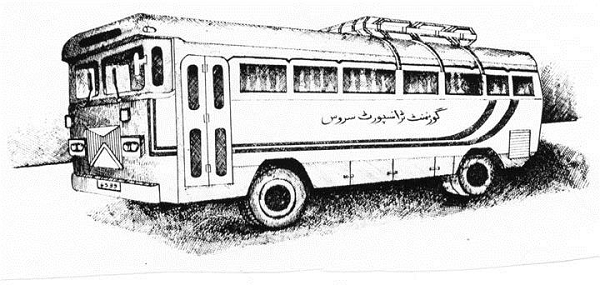
| bus tur oosa dălta oodredúlay day? | Has the bus stopped here yet? | بس تر اوسه دلته ودرېدلے دے؟ |
| na, tur oosa pore nu day oodredúlay. | No, it has not stopped here yet. | نه، تر اوسه پورې نۀ دے ودرېدلے. |
Practice:
👆 Now take the list of intransitive verbs from earlier chapters (for example, the twelve intransitive verbs in Lesson Twelve) and make sentences from them. Pay special attention to the three endings that go onto the infinitive. Try the negative forms too. Try to use as many verbs as you can and speak as fast as you can!
Intransitive stative compounds in the present perfect
ستړے کېدل - stúRay kedúl (to become tired)
| Person | Singular | Plural |
|---|---|---|
1st m. | stúRay shíway yim I have become tired ستړے شوے یم | stúRee shíwee yoo We have become tired ستړی شوی یو |
1st f. | stúRe shíwe yim I have become tired ستړې شوې یم | stúRe shíwe yoo We have become tired ستړې شوې یو |
2nd m. | stúRay shíway ye You have become tired ستړے شوے یې | stúRee shíwee yey You have become tired ستړی شوی یئ |
2nd f. | stúRe shíwe ye You have become tired ستړې شوې یې | stúRe shíwe yey You have become tired ستړې شوې یئ |
3rd m. | stúRay shíway day He has become tired ستړے شوے دے | stúRee shíwee dee They have become tired ستړی شوی دی |
3rd f. | stúRe shíwe da She has become tired ستړې شوې ده | stúRe shíwe dee They have become tired ستړې شوې دی |
NOTE:
Both the verbs کېدل - kedúl (to become) and کېدل - kedúl (to happen) have an irregular past participle form: شوے - shíway.
Example sentences using compound intransitive verbs in the present perfect tense:
| haghá oodú shíway day? | Has he gone to sleep? | هغه اُودۀ شوے دے؟ |
| na, haghá nu day oodú shíway. | No, he has not gone to sleep. | نه، هغه نۀ دے اُودۀ شوے. |
| maryam tur oosa waadu shíwe nu da? | Hasn't Miriam become married yet? | مريم تر اوسه وادۀ شوې نۀ ده؟ |
| na, nu da waadu shíwe. | No, she hasn't become married. | نه، نۀ ده وادۀ شوې. |
| du du khúza hum mRa shíwe da? | Has his wife also died? | د دۀ ښځه هم مړه شوې ده؟ |
| na, nu da mRa shíwe. | No, she hasn't died. | نه، نۀ ده مړه شوې. |
| gUlaalúy khog shíwe da? | Has Gulalay been hurt? | ګُلالۍ خوږ شوې ده؟ |
| staa wrooNa khpul plaar sara razáa shíwee dee? | Have your brothers become reconciled with their father? | ستا وروڼه خپل پلار سره رضا شوى دى؟ |
| na, nu dee rázáa shíwee. | No, they haven't become reconciled. | نه، نۀ دى رضا شوى. |
| maashoomáan weekh shíwee dee? | Have the children woken up? | ماشُومان ويښ شوى دى؟ |
| na, nu dee weekh shíwee. | No, they haven't woken up. | نه، نۀ دى ويښ شوى. |
| nokúra du makhke na stúRe shíwe da? | Has the servant become tired already? | نوکره د مخکښې نه ستړې شوې ده؟ |
| klas khátum shíway day. | The lesson (m.s.) has become finished. | کلاس ختم شوے دے. |
| kapRé me zaRe shíwe dee. | My clothes (f.pl.) have become old. | کپړې مې زړې شوې دى. |
| loor me kha shíwe da. | My daughter (f.s.) has become well. | لُور مې ښه شوې ده. |
| wréjze pakhé shíwe dee? | Has the rice (f.pl.) become cooked? | ورېژې پخې شوې دى؟ |
| staa kaar khátum shíway day? | Has your work (m.s.) been completed? | ستا کار ختم شوے دے؟ |
| na, nu day khátum shíway. | No, it hasn't been completed. | نه، نۀ دے ختم شوے. |
| jeenúy zakhmee shíwe da. | The girl (f.s.) has been hurt. | جينۍ زخمى شوې ده. |
Passive sentences in the present perfect
The passive version of transitive verbs is similar to intransitive verbs because:
- It also uses کېدل - kedúl (to become)
- Since there’s no object, the verb agrees with the subject in the past.
| jaamé weenzúle shíwe dee? | Have the clothes been washed? | جامې وينځلې شوې دى؟ |
| na, tur oosa pore nu dee weenzúle shíwe. | No, they haven't been washed yet. | نه، تر اوسه پورې نۀ دى وينځلې شوې. |
| tu cheechúlay shíway ye? | Have you (m.) been stung? | تۀ چيچلے شوے يې؟ |
| na, nu yim cheechúlay shíway. | No, I (m.) haven't been stung. | نه، نۀ يم چيچلے شوے. |

Transitive verbs in the present perfect
Like all transitive verbs in the past tense, agreement must be shown between the object and the verb. Both the past participle and the present endings are inflected.
| maa kitáab akhístay day. | I have bought a book. (m.s.) | ما کتاب اخستے دے. |
| maa kitaabóona akhístee dee. | I have bought books. (m.pl.) | ما کتابونه اخستى دى. |
| maa kaapée akhíste de. | I have bought a notebook. (f.s.) | ما کاپى اخستې ده. |
| maa kapyáane akhíste dee. | I have bought notebooks. (f.pl.) | ما کاپيانې اخستې دى. |
| taa de maaf kúray day? | Have you forgiven him? (m.s.) | تا دے معاف کړے دے؟ |
| taa haghwée maaf kúRee dee? | Have you forgiven them? (m.pl.) | تا هغوى معاف کړى دى؟ |
| taa haghá maaf kúRe da? | Have you forgiven her? (f.s.) | تا هغه معاف کړې ده؟ |
| taa haghwée maaf kúRe dee? | Have you forgiven them? (f.pl.) | تا هغوى معاف کړې دى؟ |
| haghé khat wayulay day? | She has read the letter. (m.s.) | هغې خط وئيلے دے. |
| haghé khatóona wayúlee dee. | She has read the letters. (m.pl.) | هغې خطُونه وئيلى دى. |
| haghú qeesá wayule da. | He has read the story. (f.s.) | هغۀ قيصه وئيلې ده. |
| haghú qeesé wayúle dee. | He has read the stories. (f.pl.) | هغۀ قيصې وئيلې دى. |
| moong spay nu day weeshtúlay. | We haven't hit the dog. (m.s.) | مُونږ سپے نۀ دے ويشتلے. |
| maa spee nu dee weeshtúlee. | I haven't hit the dogs. (m.pl.) | ما سپى نۀ دى ويشتلى. |
| haghú jeenúy nu da wahúle. | He hasn't hit the girl. (f.s.) | هغۀ جينۍ نۀ ده وهلې. |
| haghú jeenukúy nu dee wahúle. | He hasn't hit the girls. (f.pl.) | هغۀ جينکۍ نۀ دى وهلې. |
| taa zu leedúlay yim. | You have seen me (male). | تا زۀ ليدلے يم. |
| taa moong leedúlee yoo. | You have seen us. (m.pl.) | تا مُونږ ليدلى يو. |
| maa tu leedúlay ye. | I have seen you (masc.). | ما تۀ ليدلے يې. |
| maa taaso leedúlee yey. | I have seen you. (m.pl.) | ما تاسو ليدلى يئ. |
| staa góota wrúka shíwe da? | Has your ring become lost? (f.s.) | ستا ګوته ورکه شوې ده؟ |
| taa góota mónte da? | Have you found the ring? (f.s.) | تا ګوته مونتې ده؟ |
| tsu de leekúlee dee? | What have you written? (m.pl.) | څۀ دې ليکلى دى. |
| yo mazmóon me sTooDanTáano dupaara leekúlay day. | I have written one article for the students. (m.s.) | يو مضمُون مې سټُوډنټانو د پاره ليکلے دے. |
| haghwée DoDúy khoRule da? | Have they eaten the food? (f.s.) | هغوى ډوډۍ خوړلې ده؟ |
| aw, haghwée khoRúle da. | Yes, they have eaten it. | آو، هغوى خوړلې ده. |
| taa haghá makhke du zaan sara pekhawúr ta botúle da? | Have you taken her with you to Peshawar before? (f.s.) | تا هغه مخکښې د ځان سره پېښور ته بوتلې ده؟ |
| na, haghá me zaan sara nu da botúlay. | No, I haven't taken her with me. | نه، هغه مې ځان سره نۀ ده بوتلې. |
| taaso oos oos khpúla malgúre leedúle da? | Have you seen your friend recently? (f.s.) | تاسو اوس اوس خپله ملګرې ليدلې ده؟ |
| na, maa nu da leedúle. | No, I haven't seen her. | نه، ما نۀ ده ليدلې. |
| taa moTúr raawústay day? | Have you brought the car? (m.s.) | تا موټر راوستے دے؟ |
| aw, maa raawústay day. | Yes, I have brought it. | آو، ما راوستے دے. |
| haghú kaaghazóona raawúRee dee? | Has he brought the papers? (m.pl.) | هغۀ کاغذونه راوړى دى؟ |
| na, nu ye dee raawúRee. | No, he hasn't brought them. | نه، نۀ يې دى راوړى. |
| jiháaz makhke na túlay day? | Has the plane left already? (m.s.) | جهاز مخکښې نه تلے دے؟ |
| aw, nun du makhke na túlay day. | Yes, it has already gone today. | آو، نن د مخکښې نه تلے دے. |
| taa khabróona aawredúlee dee? | Have you listened to the news? (m.pl.) | تا خبرُونه اورېدلى دى؟ |
| aw, maa du roon khabróona aawredúlee dee. | Yes, I have listened to the Russian news. | آو، ما د رُوس خبرُونه اورېدلى دى. |
| maa nun Der khaandúlee dee. | I have laughed a lot today. (m.pl.) | ما نن ډېر خاندلى دى. |
| taa jzaRúlee dee? | Have you been crying? | تا ژړلى دى؟ |
| taa ze wăle Takawúlay yim. | Why have you hit me (masc.) ? | تا زۀ ولې وټکولم؟ |
NOTE:
Remember that خندل - khandúl (to laugh) and ژړل - jzaRul (to cry) are grammatically transitive, and always act as if there is a a masculine plural object.
Compound transitive verbs in the present perfect
Both کول - kawúl (to do) and کول - kawúl (to make) have an irregular past participle form: کړے - kúRay
| haghú dălta Der kaar kúRay day. | He has done a lot of work here. (m.s.) | هغۀ دلته ډېر کار کړے دے. |
| taa zmaa du paara yo tso kaaroona kúRee dee. | You have done a few jobs for me. (m.pl.) | تا زما د پاره يوڅو کارُونه کړى دى. |
| maa makhke du haghwée madúd nu day kuRay. | I haven't given them help before. (m.s.) | ما مخکښې د هغوى مدد نۀ دے کړے. |
| haghú zmaa Der madúd kúRay day. | He has given me a lot of help. (m.s.) | هغۀ زما ډېر مدد کړے دے. |
| tarkáaN maa dupaara yo mez joR kuRay day. | The carpenter has made a table for me. (m.s.) | ترکاڼ ما د پاره يو مېز جوړ کړے دے. |
| taa zmaa gáaDay tu ooso pore nu day sum kuRay? | Haven't you fixed my car yet? (m.s.) | تا زما ګاډے تر اوسه پورې نۀ دے سم کړے؟ |
| haghú kiRkúy súma kuRe da? | Has he repaired the window? (f.s.) | هغۀ کړکۍ سمه کړې ده؟ |
| haghwée Dere khe kUrsúy joRe kuRe dee. | They have made very good chairs. (f.pl.) | هغوى ډېرې ښې کُرسۍ جوړې کړې دى. |
| maa nun yo kabáab pokh kuRay day. | I cooked a kabab today. (m.s.) | ما نن يو کباب پوخ کړے دے. |
| taa ghwakha pakha kúre da? | Have you cooked the meat? (f.s.) | تا غوښه پخه کړې ده؟ |
| haghé Dére kharáabe wréjze pakhé kúRe dee. | She has cooked very bad rice. (f.pl.) | هغې ډېرې خرابې ورېژې پخې کړى دى. |
Answering questions in the present perfect
When you are asked a question make a habit of answering in the same tense. Listen carefully to the question, the speaker will have solved any difficulties of agreement for you. Use that knowledge to answer flawlessly.
👆 Answer the following questions postively and negatively, staying in the same tense. Use this pattern:
Question: | haghú khpul qalúm her kúRay day? Has he forgotten his pen? هغهٔ خپل قلم هېر کړے دے؟ |
Positive reply: | aw, her kúRay ye day. Yes, he has forgotten it. آو، هېر کړے يې دے. |
Negative reply: | na, haghú nu day her kúRay No, he hasn't forgotten it. نه، هغۀ نۀ دے هېر کړے. |
| staa khpul tsaarwée yaad shíwee dee? | Have you remembered your livestock? (m.pl.) | ستا خپل څاروى ياد شوى دى؟ |
| taa khpul kitáab wruk kúRay day? | Have you lost your book? (m.s.) | تا خپل کتاب ورک کړے دے؟ |
| taa haghwée sara khabúray kúRe dee? | Have you spoken with them? (f.pl.) | تا هغوى سره خبرې کړې دى؟ |
| taa bijlúy lugawúle da? | Have you turned on the electricity? (f.s.) | تا بجلى لګولې ده؟ |
| taa zmoong du núwee sikreTrée sara milaaw shíway ye? | Have you met our new secretary? | تۀ زمُونږ د نوى سکرټرى سره مِلاؤ شوے يې؟ |
| taa tsu fesalá kúRe da? | What decision have you made? (f.s.) | تا څۀ فېصله کړې ده؟ |
| taa nun rabáab wăle nu day wahúlay? | Why haven't you played rabab today? (m.s.) | تا نن رباب ولې نۀ دے وهلے؟ |
Oneself: پخپله - pukhpula
| maashoomáan pukhpúla baazáar ta tlay shee? | Can the children go to the bazaar by themselves? | ماشُومان پخپله بازار ته تلے شى؟ |
| aw, tlay shee zuka che zwaanáan dee. | Yes, they can go by themselves, they are teenagers. | آو، تلے شى ځکه چې ځوانان دى. |
| tu pukhpúla churg pakhawúlay she? | Can you cook chicken by yourself? | تۀ پخپله چرګ پخولے شې؟ |
| aw, zu pukhpúla churg pakhawúlay shum. | Yes, I can cook it by myself. | آو، زۀ پخپله چرګ پخولے شم. |
| tu ba haghwée sara khabúre kawe? | Will you speak with them? | تۀ به هغوى سره خبرې کوې؟ |
| zu ba pukhpúla du haghwée sara khabúre kawúm. | I will speak with them myself. | زۀ به پخپله د هغوى سره خبرې کوم. |
| Tol pukhpúla mu khora! | Don't eat it all yourself! | ټول پخپله مۀ خوره! |
| gaRúy pukhpúla maata shwa. | The clock broke by itself. | ګړۍ پخپله ماته شوه. |
| tu ghareebáano ta payse pukhpúla wărkawe? | Do you give money to the poor yourself? | تۀ غريبانو ته پیسې پخپله ورکوې؟ |
| aw, zu pukhpúla payse wărkawum. | Yes, I give them money myself. | آو، زۀ پخپله پيسې ورکوم. |
| zu pukhpúla khabúre kawum. | I'll talk myself. | زۀ پخپله خبرې کوم. |
Using خپل - khpul (own) and پخپله - pukhpúla (oneself) in the same sentence.
| haghú khpula kamrá pukhpúla safáa kRa? | Did he clean his own room by himself? | هغۀ خپله کمره پخپله صفا کړه؟ |
| na, du haghú mor safáa kRa. | No, his mother cleaned it. | نه، د هغۀ مور صفا کړه. |
| khpul kar pukhpúla nu she kawúlay? | Can't you do your own work by yourself? | خپل کار پخپله نۀ شې کولے؟ |
| aw, zu khpul kaar pukhpula kawúlay shum. | Yes, I can do my own work by myself. | آو، زۀ خپل کار پخپله کولے شم. |
Medical talk
Questions:
| tsu takléef day? | What is the problem? | څۀ تکليف دے؟ |
| tu Tookhége? | Are you coughing? | تۀ ټوخېږې؟ |
| taaso UlTúy kawéy? | Are you vomiting? | تاسو اُلټۍ کوئ؟ |
| cheenjée shta? | Do you have worms? | چينجى شته؟ |
| mityáaze swázee? | Is your urine burning? | متيازې سوزى؟ |
| ghwug bahégee? | Is the ear draining? | غوږ بهېږی؟ |
| pu khéTa maashóom shta? | Are you pregnant? | په خېټه ماشوم شته؟ |
| staa khéTa kharáaba da, dastóona shta? | Is your stomach upset, do you have diarrhoea? | ستا خېټه خرابه ده، دستُونه شته؟ |
Answers:
| speene goolúy maa khoRúlee dee, kho khu | I took some white tablets, but I have not got better | سپينې ګولۍ ما خوړلى دى، خو ښۀ شوے نۀ يم. |
| dre tsalor wrazo to zu naajóRa yim. | I've been ill for three or four days. | درې څلور ورځو نه زۀ ناجوړه يم. |
| DoDúy me zRu to nu kégee. | I don't feel like eating food. | ډوډۍ مې زړۀ ته نۀ کېږى. |
Memorising moment
Parts of the body
Use the drawings to drill the names of these parts of the body.
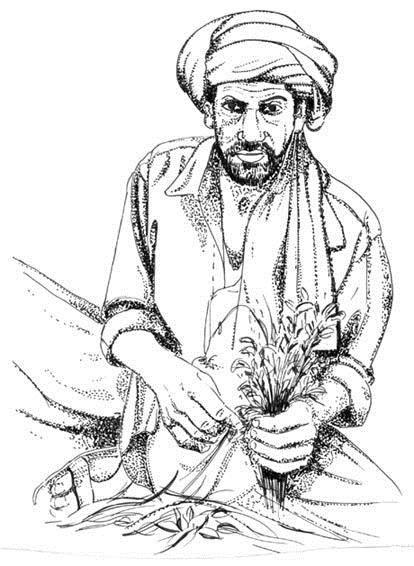
Face
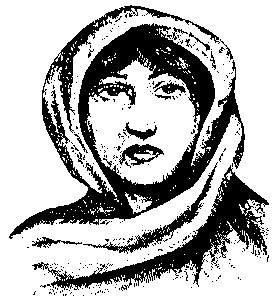
matalóona
Exercises for Lesson Twenty-Four
- Substitution drill:
👆 Have your helper point to various parts of the body, and substitute the names into the sentence below:
{" "}
| săr me khoogégee. | My head hurts. | سر مې خوږېږی. |
👆 Then have your helper make up similar drills.
- Answer the following questions giving both positive and negative short answers.
| taaso chărta afghaanistáan ta túlee yey? | تاسو چرته افغانستان ته تلى يئ؟ |
| waadú de kúRay day? | وادۀ دې کړے دے؟ |
| nun mU kum mazmóon wayúlay day? | نن مو کُوم مضمُون وئيلے دے؟ |
| nun taaso khpule kor waalaa sara pu paark ke gurzedúlee yey? | تاسو نن خپلې کور والا سره په پارک کښې ګرځېدلى يئ؟ |
| taa tur oosa pore khpul malgúray leedúlay nu day? | تا تر اوسه پورې خپل ملګرے ليدلے نۀ دے؟ |
👆 Have your helper make up lots more.